Main Text
🕒 About 1 minutes to read.
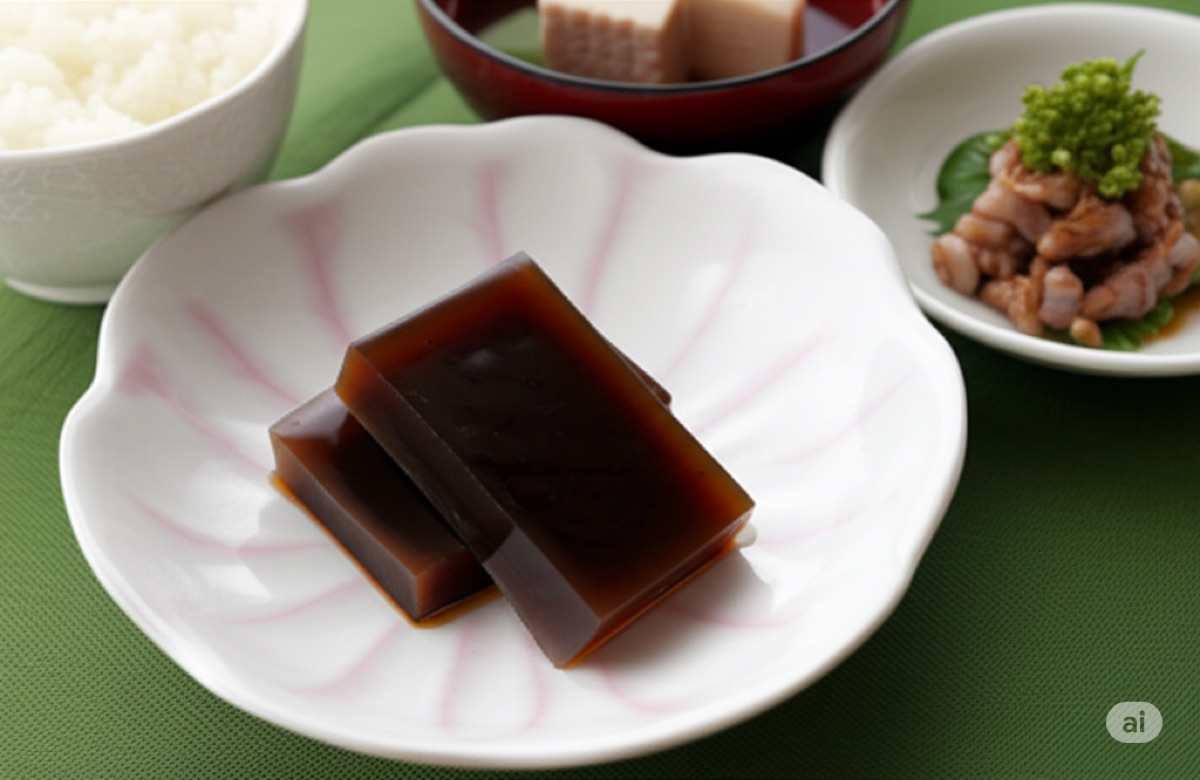
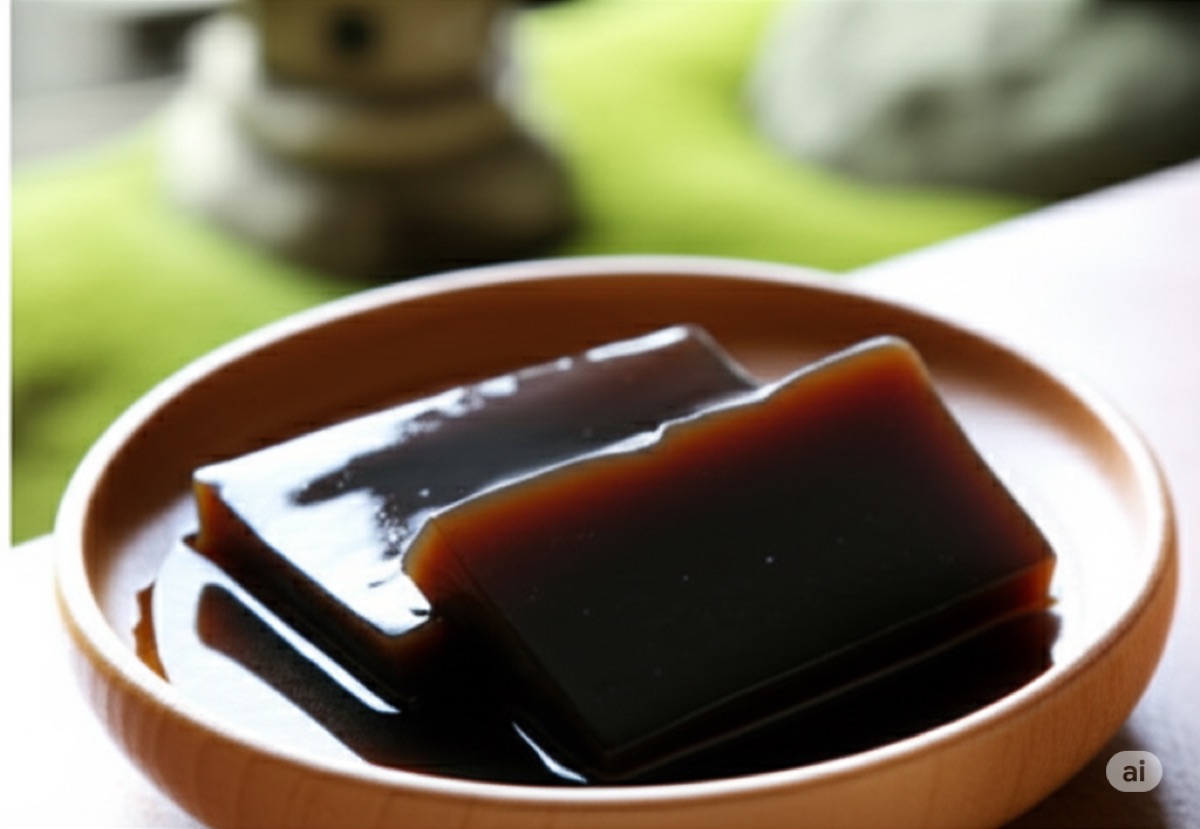
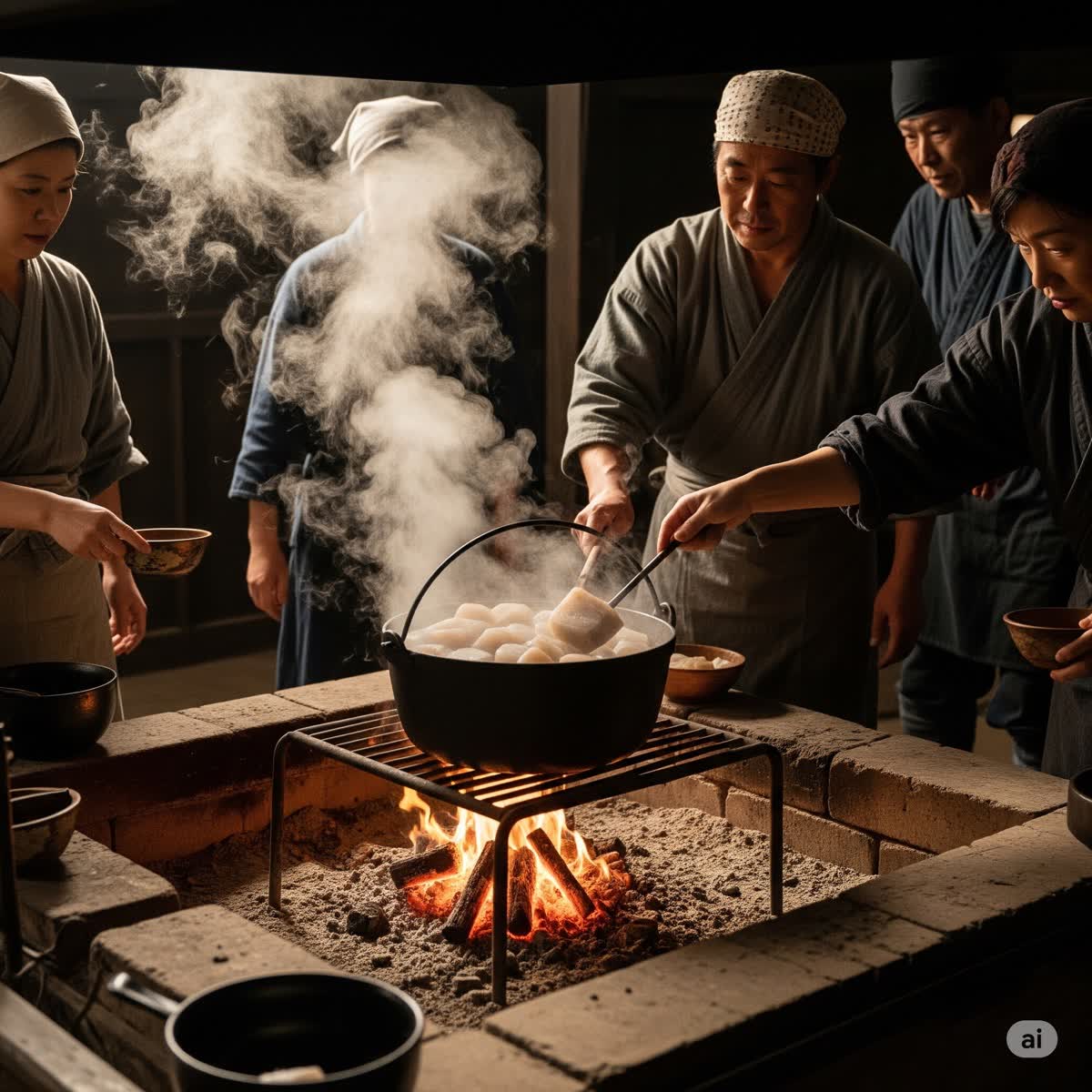
In Buddhist cuisine, konjac became the ultimate stand-in for meat—chewy, pure, and full of meaning.
It wasn’t just a substitute. It was a symbol of living with intention and restraint.
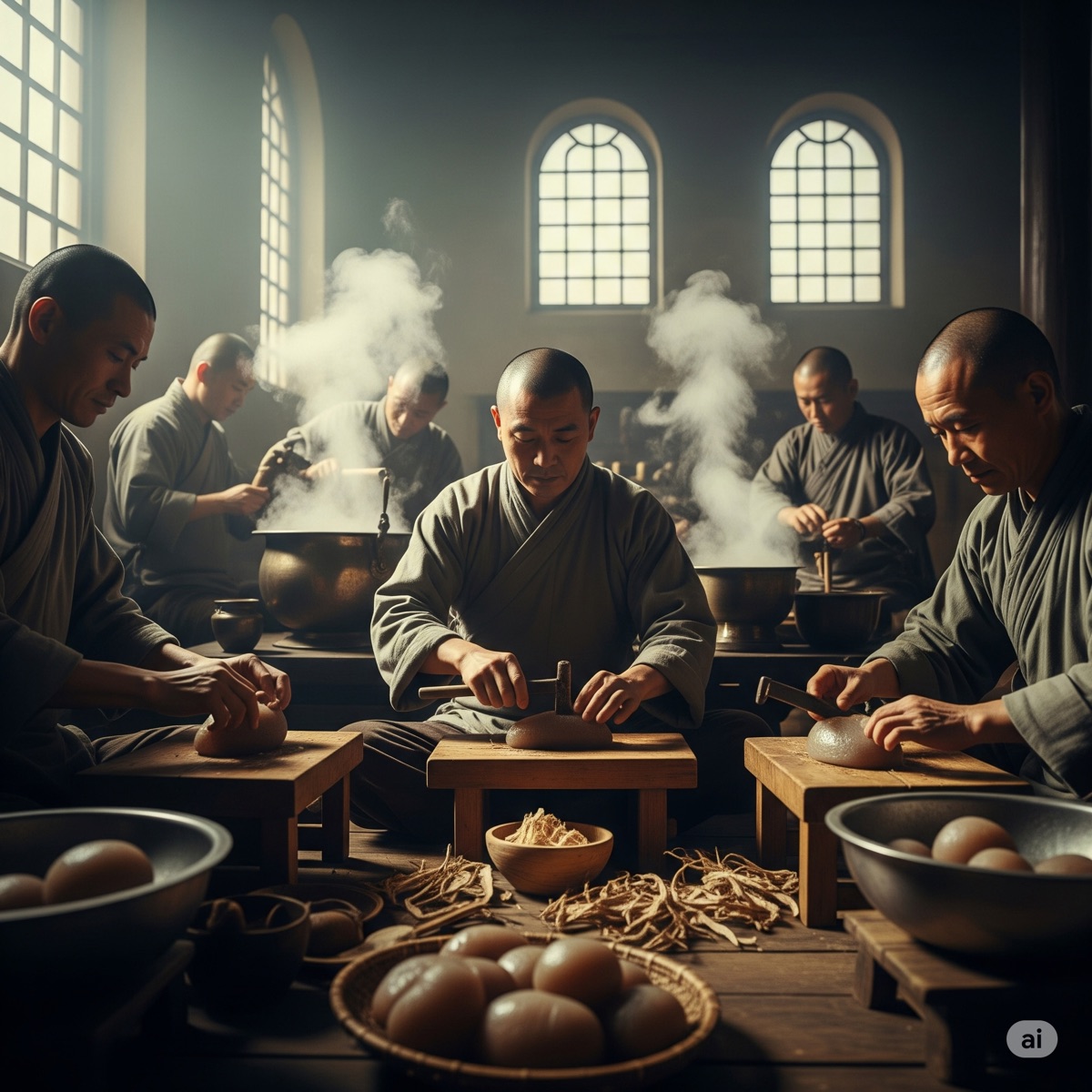
Originally used as medicine, konjac was a gift from ancient monks—a cleanser for the body and soul.
A reminder that true healing often begins from within.
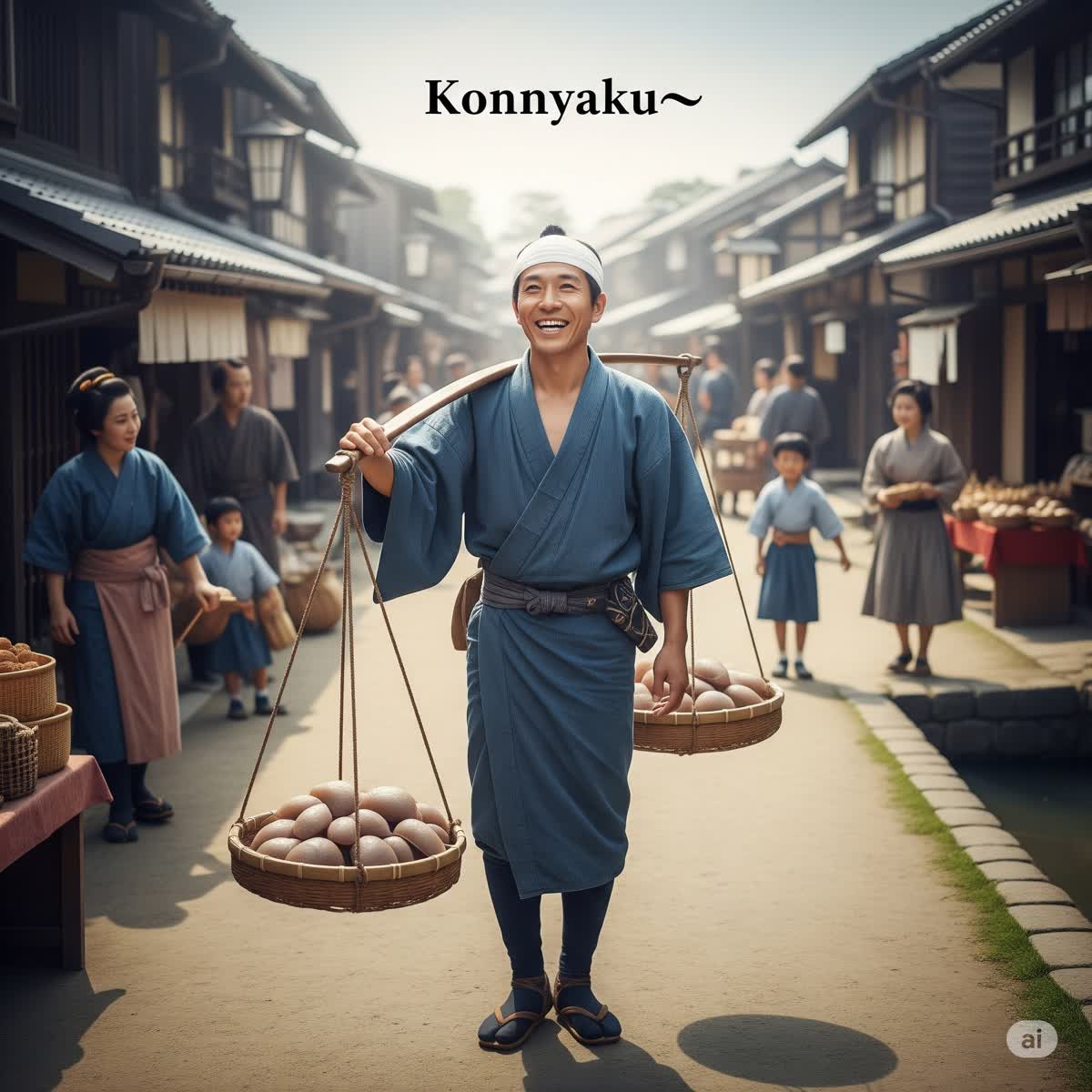
Thanks to clever merchants and mindful monks, konjac slowly moved from temples to towns.
It became a people’s food—humble, versatile, and quietly powerful.
It’s true—rich, salty foods always taste better.
But konjac, in its quiet way, reminds me that food isn’t just for pleasure—it’s for peace of mind too.

Konjac isn’t just for healing the body—it’s a quiet ritual.
A reset button in our loud, busy, indulgent lives.
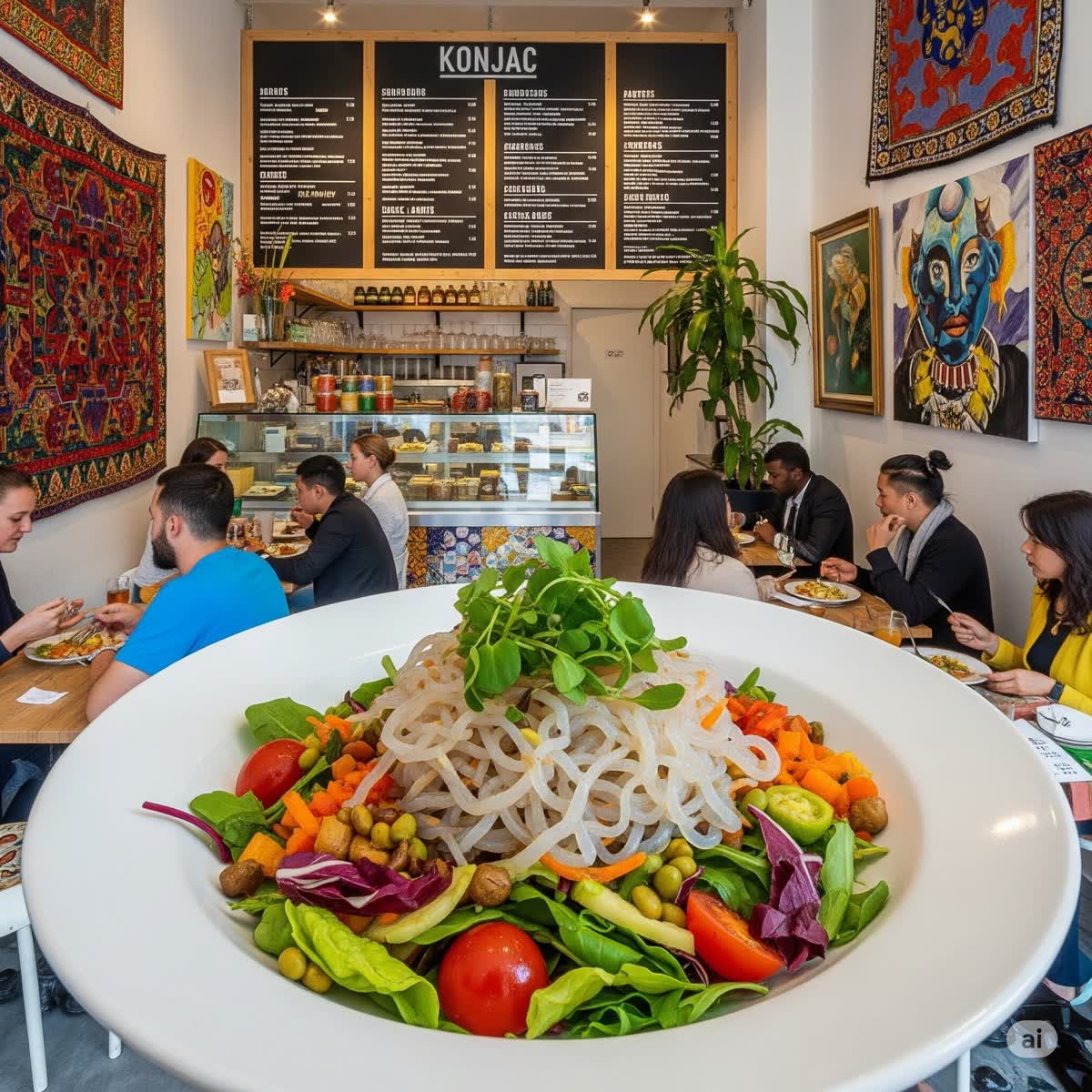
From temple kitchens to trendy diet menus, konjac has traveled far.
But behind its soft, jiggly face is a thousand years of spiritual wisdom.
🌸 Final Thoughts from a 50s Perspective
🌍 A Few Words from My Heart – in English
Konjac is humble, quiet, and often overlooked—just like many of us trying to live a little healthier each day.
But behind its simplicity is a long story of devotion, discipline, and human kindness.
In a world full of excess, konjac gently reminds us of what we truly need.
📘 Summary in English
Konjac isn’t flashy. It doesn’t beg for attention.
But it has stood the test of time—carried by monks, loved by commoners, and rediscovered by health seekers.
No, I can’t eat it every day. The taste is mild, the texture strange. But maybe that’s the point.
It reminds me to pause, to reflect, and to balance my life—one bite at a time.
Related Articles