🕒 About 3 minutes to read.
Recently, keywords like “Shindo 6-strong” (seismic intensity level) started trending on social media in Japan. Although no major earthquake actually occurred, the fact that many people were unsettled says a lot
This article explores our fragile disaster awareness—how we get anxious, then quickly forget. As someone in his 50s from the Kansai region, I want to reflect on this with down-to-earth honesty.
Over a decade has passed since the last major disaster. Now more than ever, it’s time to pause for a moment and think about how we prepare—because “preparedness” starts with small actions.
Table of Contents
- 📝 Chapter 1: Why Are People Talking About Earthquakes Again?
- 🥫 Chapter 2: The First Step in Preparedness—Rolling Stock
- 🫣 Chapter 3: To Be Honest, I Wasn’t Prepared
- 💧 Chapter 4: Water Isn’t a Given
- 🤔 Chapter 5: “We’ll Figure It Out Later” Is a Trap
- 🧭 Final Thoughts: Preparedness Doesn’t Have to Be Overwhelming
When I saw “Shindo 6-strong” pop up on my phone, I got chills.
“Wait... did an earthquake just happen somewhere?”
But when I checked, there was no major quake—just online rumors causing a buzz.That momentary fear? It passed by the next day.
And I found myself thinking:
“Is it really okay to just move on like nothing happened?”
📝 Chapter 1: Why Are People Talking About Earthquakes Again?
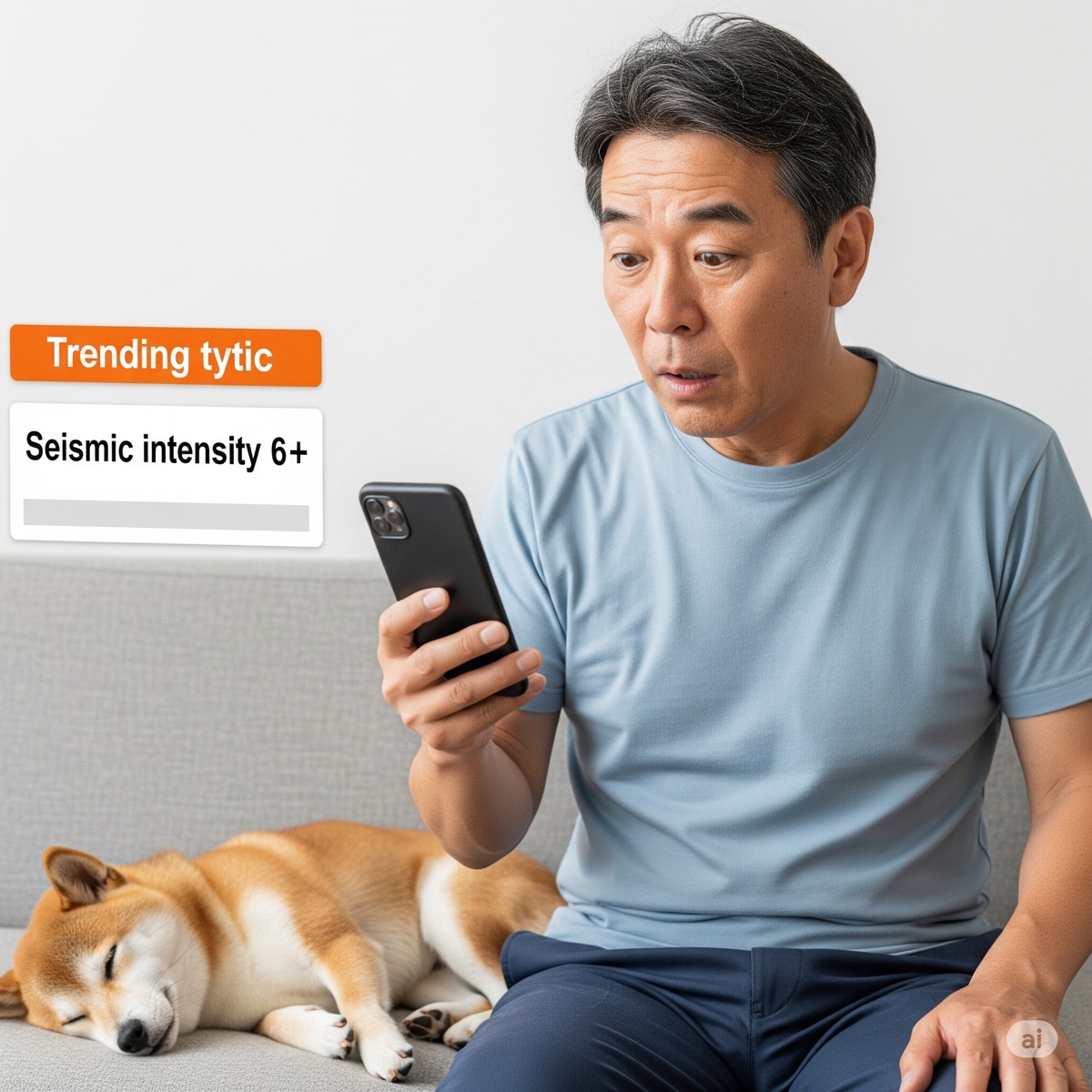
“Shindo 6-strong” suddenly started trending on social media.
No major quake actually happened, but it caught people’s attention.
And just like that, everyone forgot the next day.
It made me wonder—why are we always so quick to move on from these warnings
🥫 Chapter 2: The First Step in Preparedness—Rolling Stock
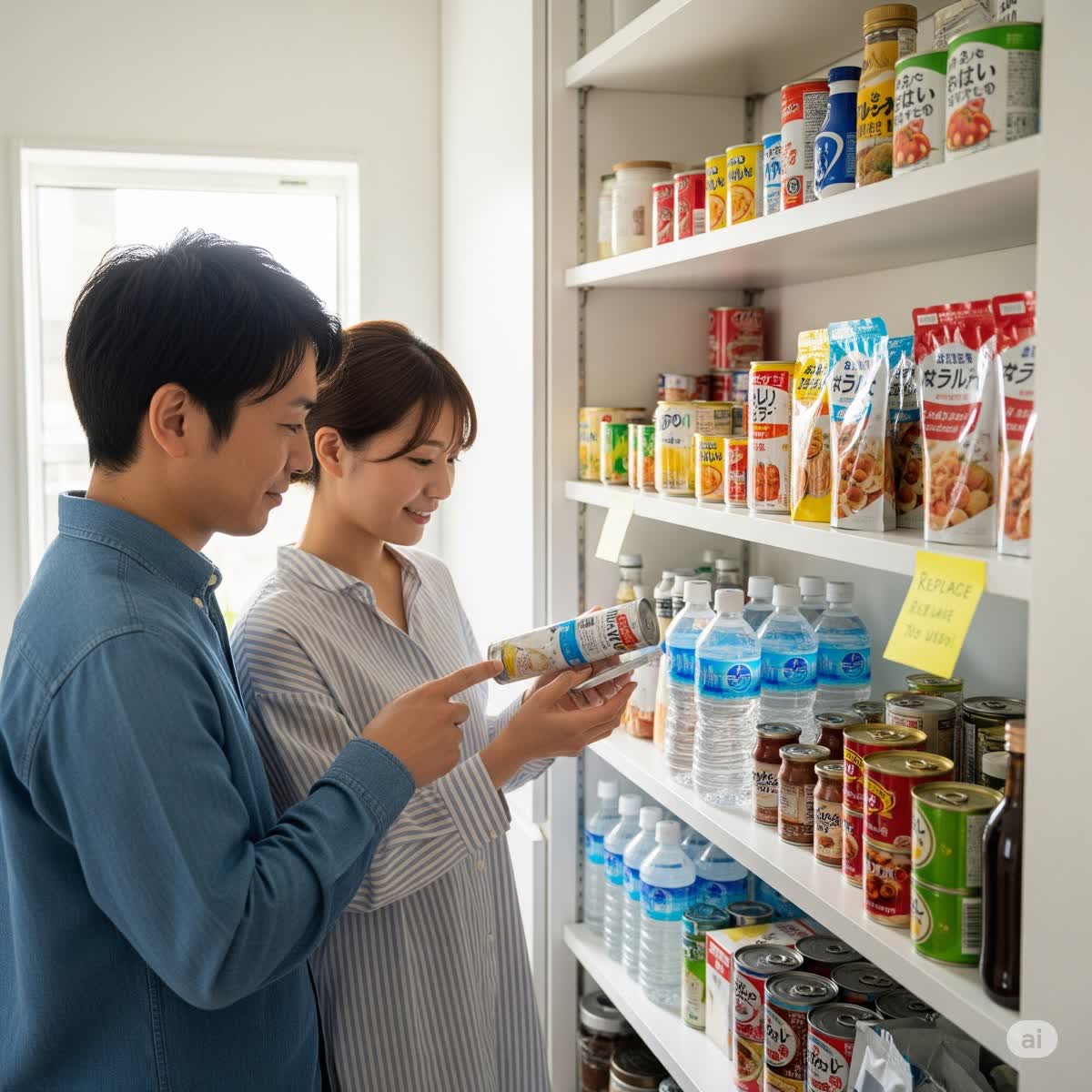
Ever realized your emergency food expired?
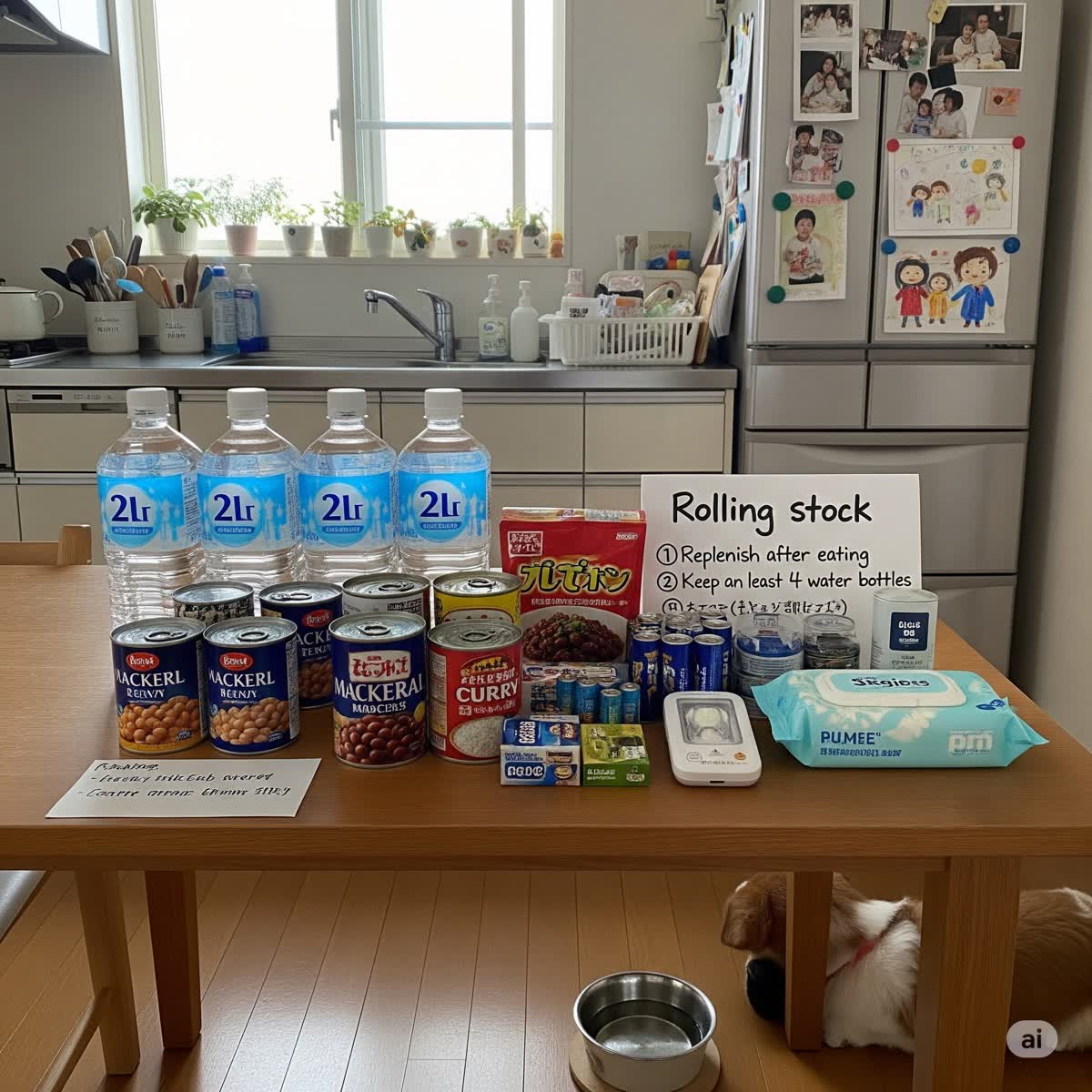
That’s where the idea of “rolling stock” comes in.
Use a little bit in everyday life, and restock as needed.
No need to hoard; just blend it into your routine.
This way, you’ll be prepared without stress—and waste nothing.
🫣 Chapter 3: To Be Honest, I Wasn’t Prepared
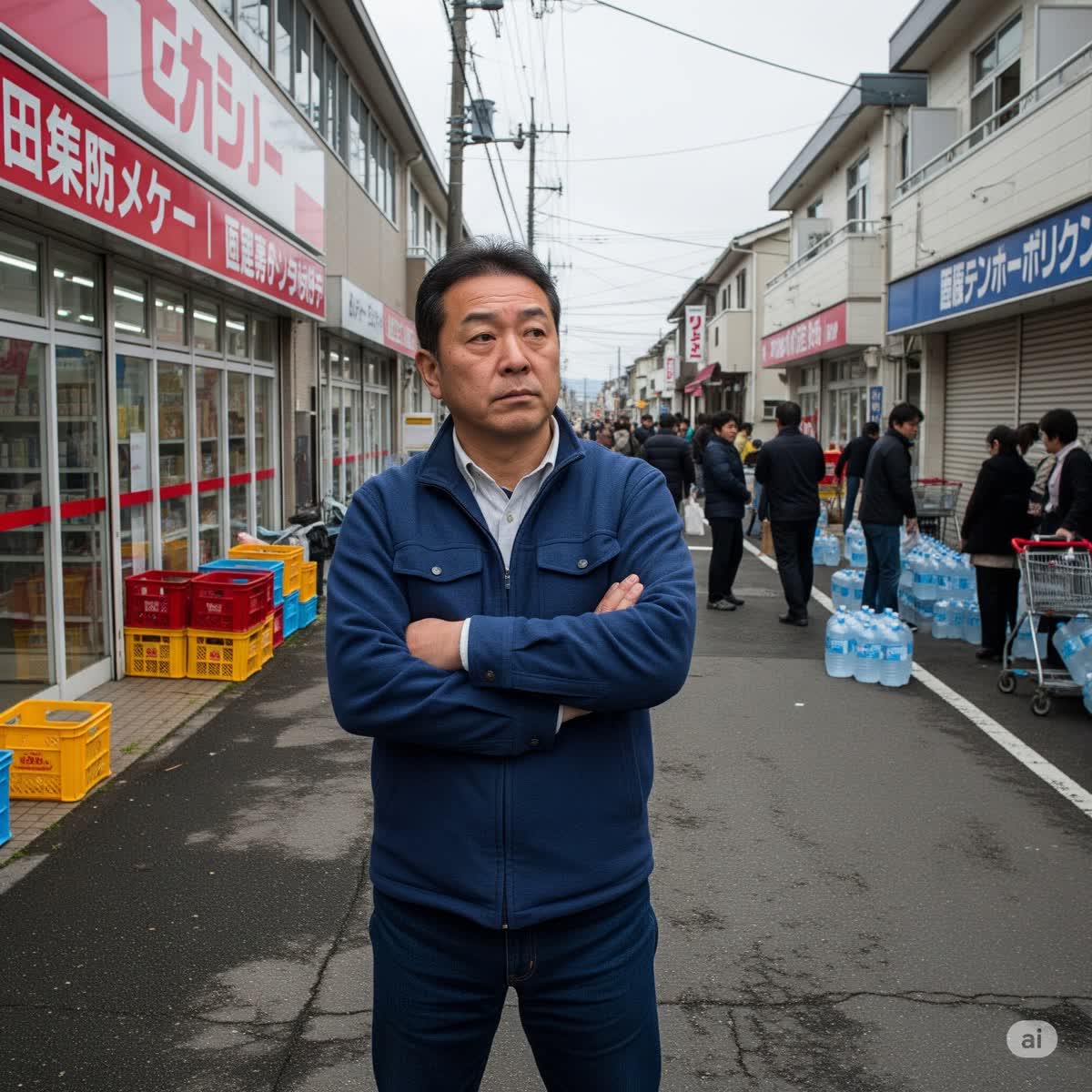
When the 2011 earthquake hit, even though we were far from the epicenter, I thought,
“Well, we’ll manage somehow.”
And we did—water was fine, shops were open.
But maybe that false sense of security came from not being directly affected.
If my area had been the center of the disaster?
I can’t even imagine.
💧 Chapter 4: Water Isn’t a Given
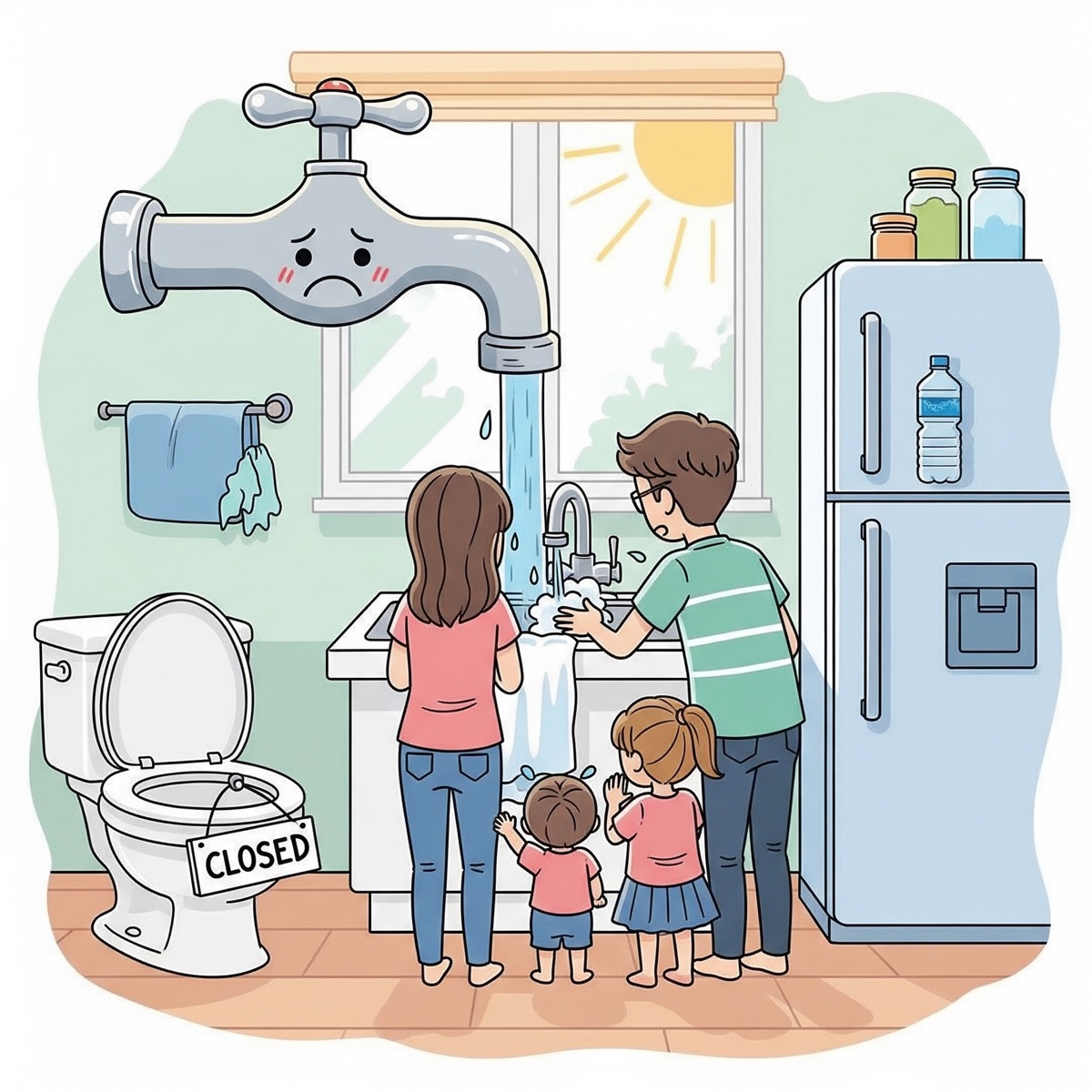
Japan is one of the few countries where tap water is drinkable.
We often take it for granted.
But when disaster hits and water stops—
You can’t drink, wash, or flush.
That’s when it hits:
Water is life.
And one or two bottles just won’t cut it.
🤔 Chapter 5: “We’ll Figure It Out Later” Is a Trap
“I’m fine now.”
“I’ll deal with it if something happens.”
That kind of thinking just delays the inevitable.
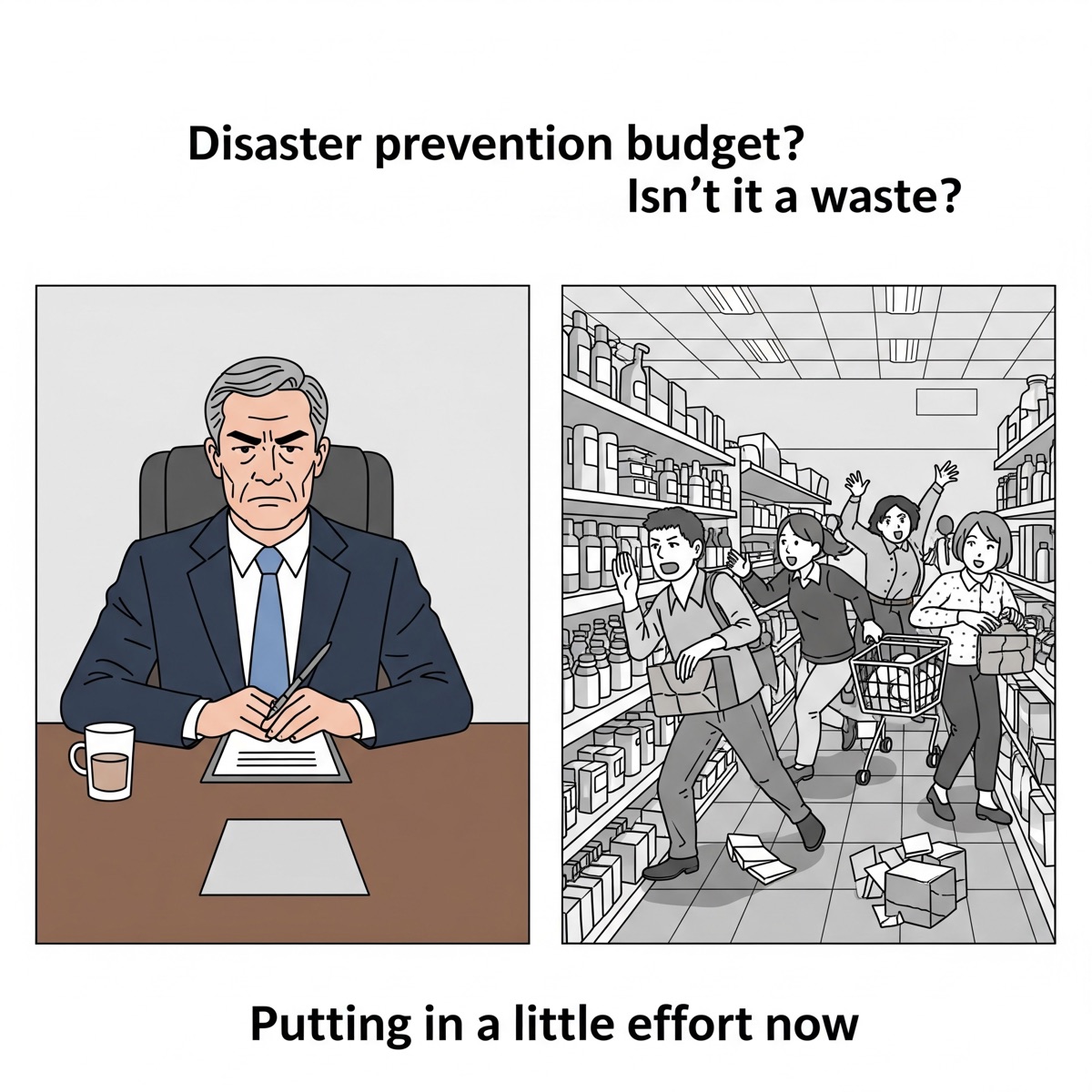
Even companies hesitate to spend a few hundred yen on supplies.
But when disaster strikes, panic buying begins—and nothing is left.
That’s why just doing a little bit now makes a big difference later.
🧭 Final Thoughts: Preparedness Doesn’t Have to Be Overwhelming
When earthquake talk trends, most people think,
“Well, we’ll be okay.”
And I get it.But if “we’ll be okay” turns out to be wrong, we’re in trouble.
So let’s rethink that mindset.Preparedness isn’t about being perfect.
It’s about small steps—
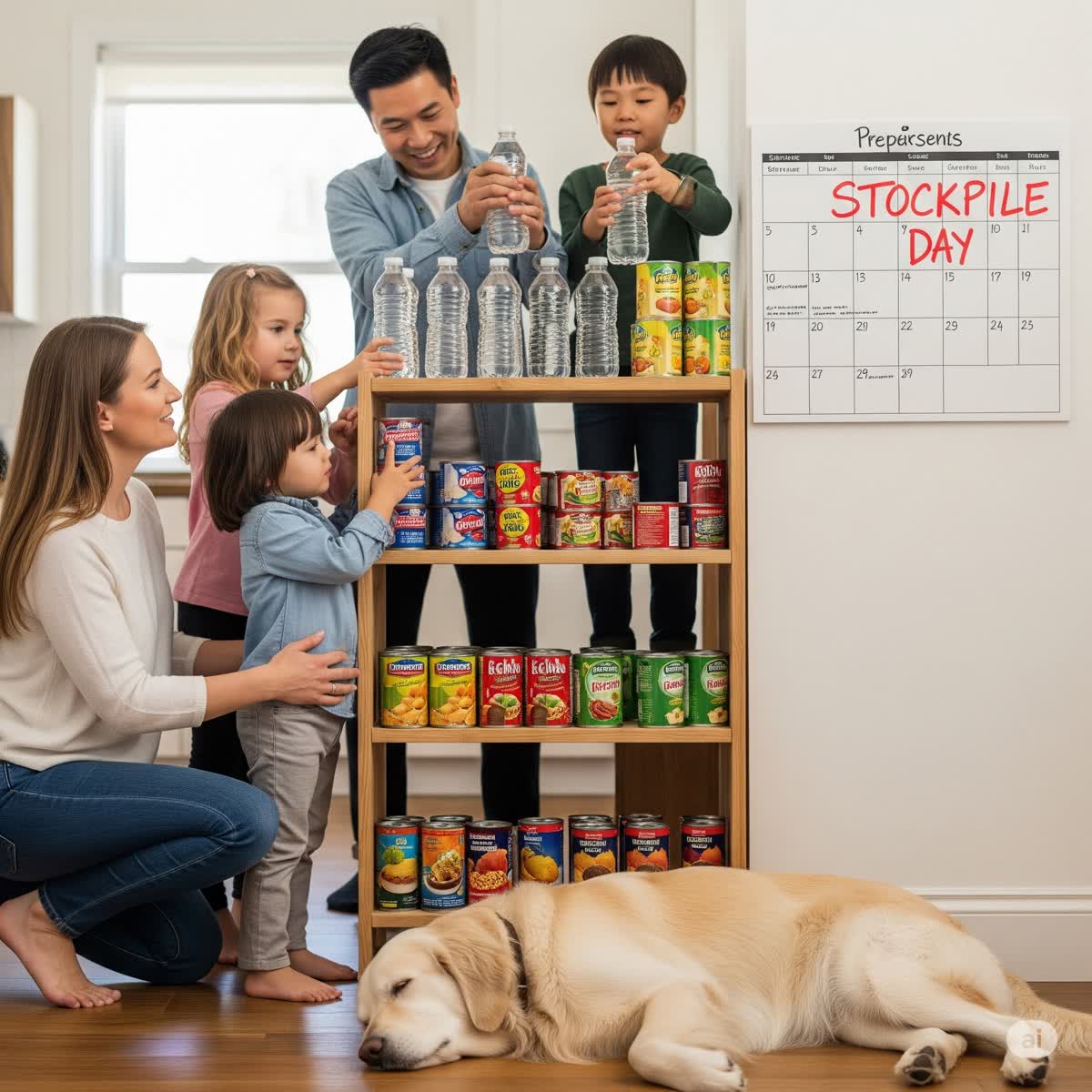
Buying a bit more water,
Using and replacing your emergency food.That’s what “rolling stock” means.
And honestly, that’s enough.No one will praise you for being prepared.
Some might even call it a waste.But still—
Choosing to do it anyway?
That’s how we build a stronger, more resilient society.Let’s not wait until disaster hits to try our hardest.
Let’s try just a little bit now.Because maybe, just maybe,
That’s how we turn “we’ll be okay” into actually being okay.
Related Articles